Check for lines and immediate danger
Assume every low or downed line is energized. Stay away from the line, the tree, water, fencing, vehicles, and anything else that may be touching it. Call 911 for immediate danger and report the line to Entergy.

Hot Springs, Arkansas
Use this safety-first checklist after wind, ice, or storm damage. It separates immediate electrical and public-safety concerns from the information a homeowner can gather safely for insurance and a qualified tree professional.
Connector disclosure: TreeServiceRequest.com routes requests to independently operated providers when options may be available. It is not the company performing tree work.
A damaged tree can involve suspended weight, hidden tension, unstable roots, roof damage, blocked access, and energized utility equipment. Do not begin cutting, climbing, pulling, or moving debris merely to inspect the situation.
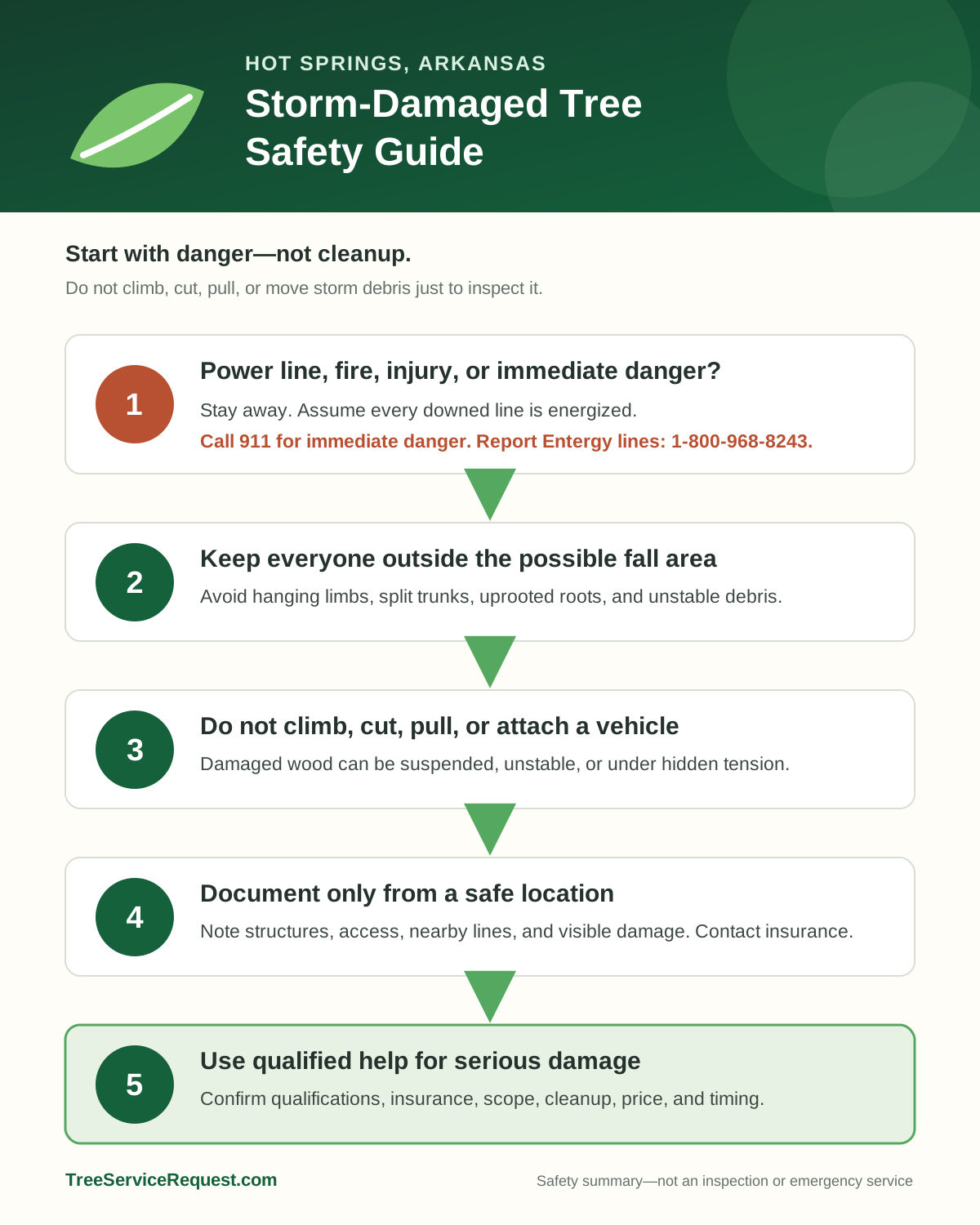
Assume every low or downed line is energized. Stay away from the line, the tree, water, fencing, vehicles, and anything else that may be touching it. Call 911 for immediate danger and report the line to Entergy.
Do not stand beneath hanging branches, beside a split trunk, or downhill from an uprooted root plate. Keep children, pets, neighbors, and vehicles away when it can be done safely.
Storm-damaged wood may be suspended or under tension. Do not climb the tree or roof, operate a chainsaw, attach a vehicle or rope, or move debris near utility equipment.
Record the address, affected structure or access, visible line involvement, and what changed. Take wide-angle photos only from outside the possible fall area. Contact the property insurer when appropriate.
The University of Arkansas Extension recommends involving a tree specialist when major branches, bracing, cabling, or serious damage are involved. Confirm qualifications, insurance, scope, cleanup, price, and timing directly.
This guide is an original safety summary based on public guidance. It does not inspect a particular tree or replace instructions from emergency responders, utilities, insurers, public authorities, or qualified tree professionals.
Local newsrooms, neighborhood groups, property managers, real-estate professionals, educators, and community organizations may reuse the unmodified diagram for noncommercial public-safety information. Please credit “TreeServiceRequest.com — Hot Springs Storm-Damaged Tree Safety Guide” and link to this page. Do not remove emergency cautions or imply endorsement by the cited agencies.
Request routing
TreeServiceRequest.com is not a tree-service provider. Service availability, timing, scope, qualifications, insurance, and pricing must be confirmed directly with the independent provider.
No. Assume the line is energized, stay away from the tree and anything touching the line, and report it to the utility. Call 911 when there is immediate danger.
No. Keep out of the possible fall area. Only document damage from a safe location.
A qualified tree professional should evaluate serious damage. TreeServiceRequest.com does not inspect or diagnose trees.
From a safe location, note the address, affected structures or access, visible damage, nearby lines, and wide-angle photos. Do not climb or move debris to get a better picture.
Yes, unmodified noncommercial reuse is permitted with visible attribution to TreeServiceRequest.com and a link to this guide.
No. Follow emergency and utility instructions and obtain advice appropriate to the actual situation.